
Best Apps That Automatically Create Playlists from Local Music (With Spotify & Apple Music Support)

- 1. Apps That Automatically Create Playlists from Local Music
- 1.1. MusicBee (Best for Large Offline Libraries)
- 1.2. Foobar2000 (Precision Over Convenience)
- 1.3. Plex (Local Libraries with Server-Based Automation)
- 1.4. Jellyfin (Open-Source and Self-Hosted)
- 2. Apps That Also Work with Spotify or Apple Music
- 2.1. Spotify
- 2.2. Apple Music
- 2.3. Hybrid Reality Check
- 3. How These Apps Decide What Goes into a Playlist
- 4. Where Automated Playlists Break Down
- 5. Which App Fits Your Music Setup
- 6. FAQ: Automated Playlist Creation for Local Music
- 6.1. Can playlists be created automatically from local music files?
- 6.2. Is there an AI playlist generator for offline music?
- 6.3. Which apps support both local music and Spotify playlists?
- 6.4. How do smart playlists actually work?
- 6.5. Are automated playlists accurate for large music libraries?
- 7. Final Thoughts
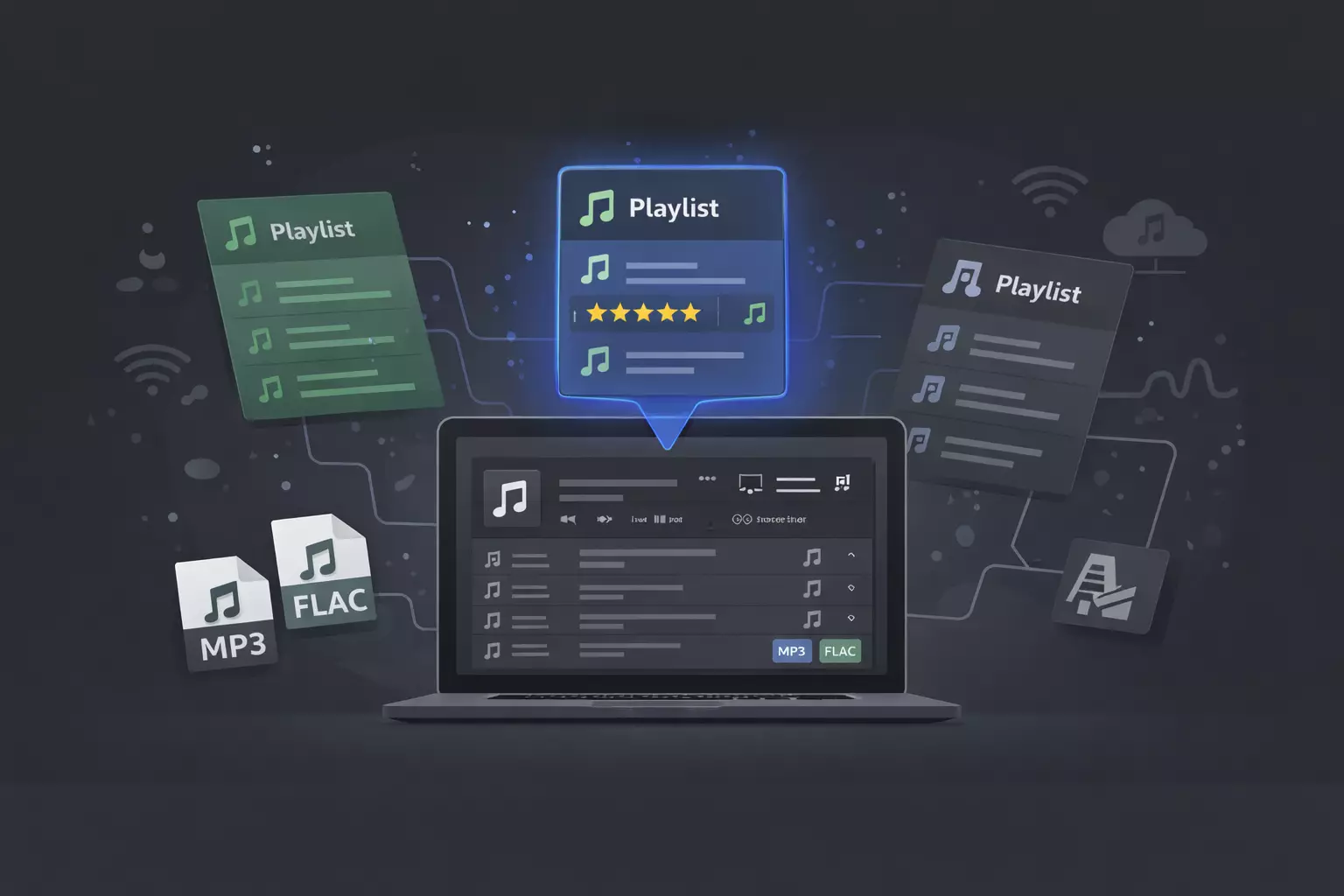
If you maintain a personal music library—MP3s, FLAC files, albums stored on external drives or a NAS—you already know how difficult playlist management becomes at scale. Manually organizing thousands of tracks isn’t realistic anymore.
That’s why the best apps that automatically create playlists from local music are gaining attention again in 2025. Unlike streaming-only tools, these solutions focus on your offline collection first, while optionally supporting Spotify or Apple Music as a secondary benefit — explore more in our software reviews hub.
This guide is written for people who actually own their music and want a reliable way to automate playlists without turning their library into chaos.
Apps That Automatically Create Playlists from Local Music
This section addresses the core intent: finding apps that work as a local music playlist generator without relying entirely on streaming services.
MusicBee (Best for Large Offline Libraries)
MusicBee remains one of the most dependable options for automated playlist creation for local music users, especially when dealing with large collections.
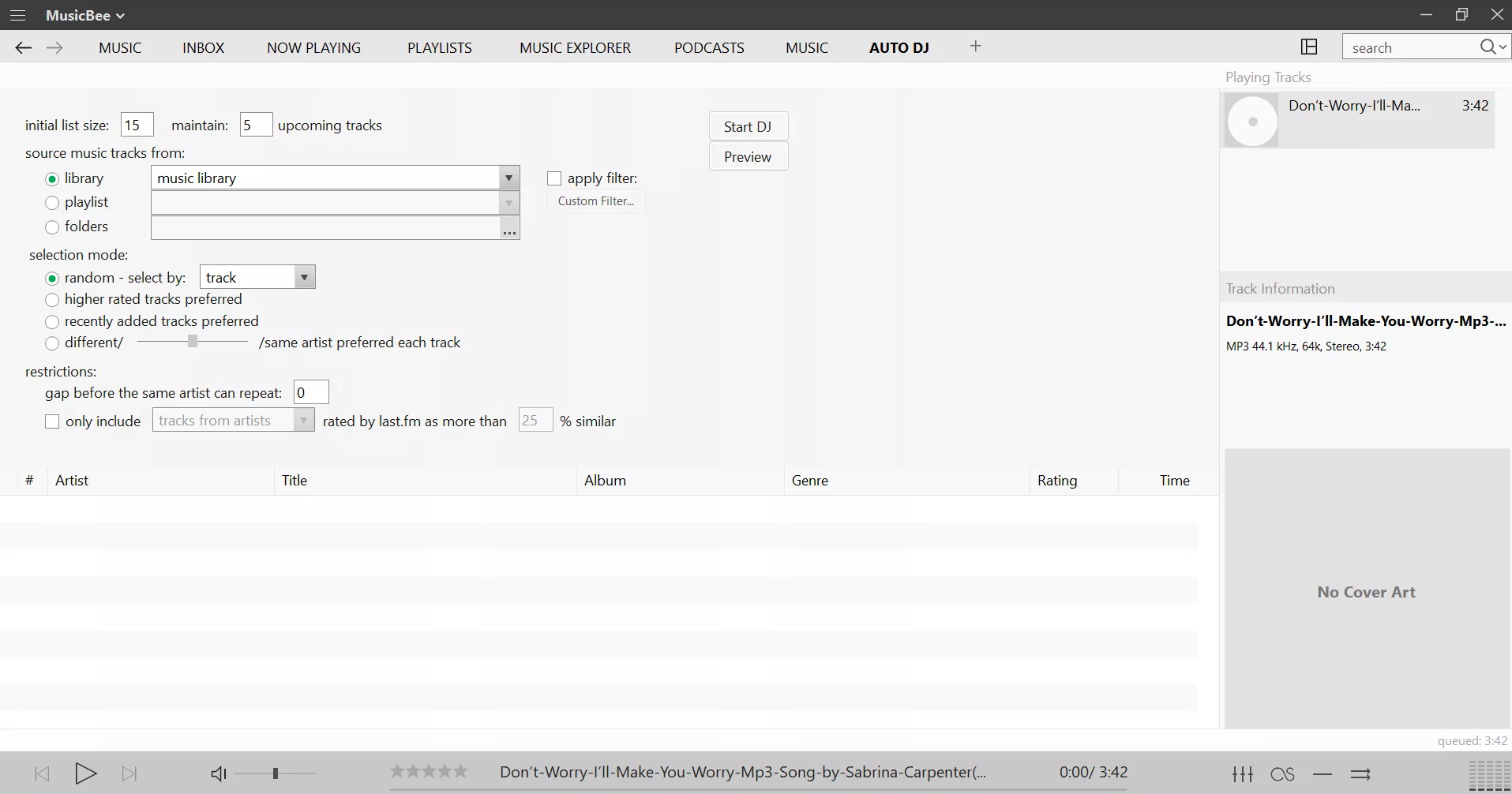
It functions as a playlist creator for local music library setups by relying on ratings, play counts, and tags. Its strength lies in MusicBee smart playlists, which update dynamically as your library changes.
Why it works well:
-
Handles large libraries efficiently
-
Strong rule-based automation
-
Excellent metadata control
Limitations:
-
No native streaming integration
-
Requires some initial tagging effort
Available On:
-
For Windows 7/10/11
MusicBee works best if your goal is to automate playlists from MP3 library files while staying fully offline.
Foobar2000 (Precision Over Convenience)
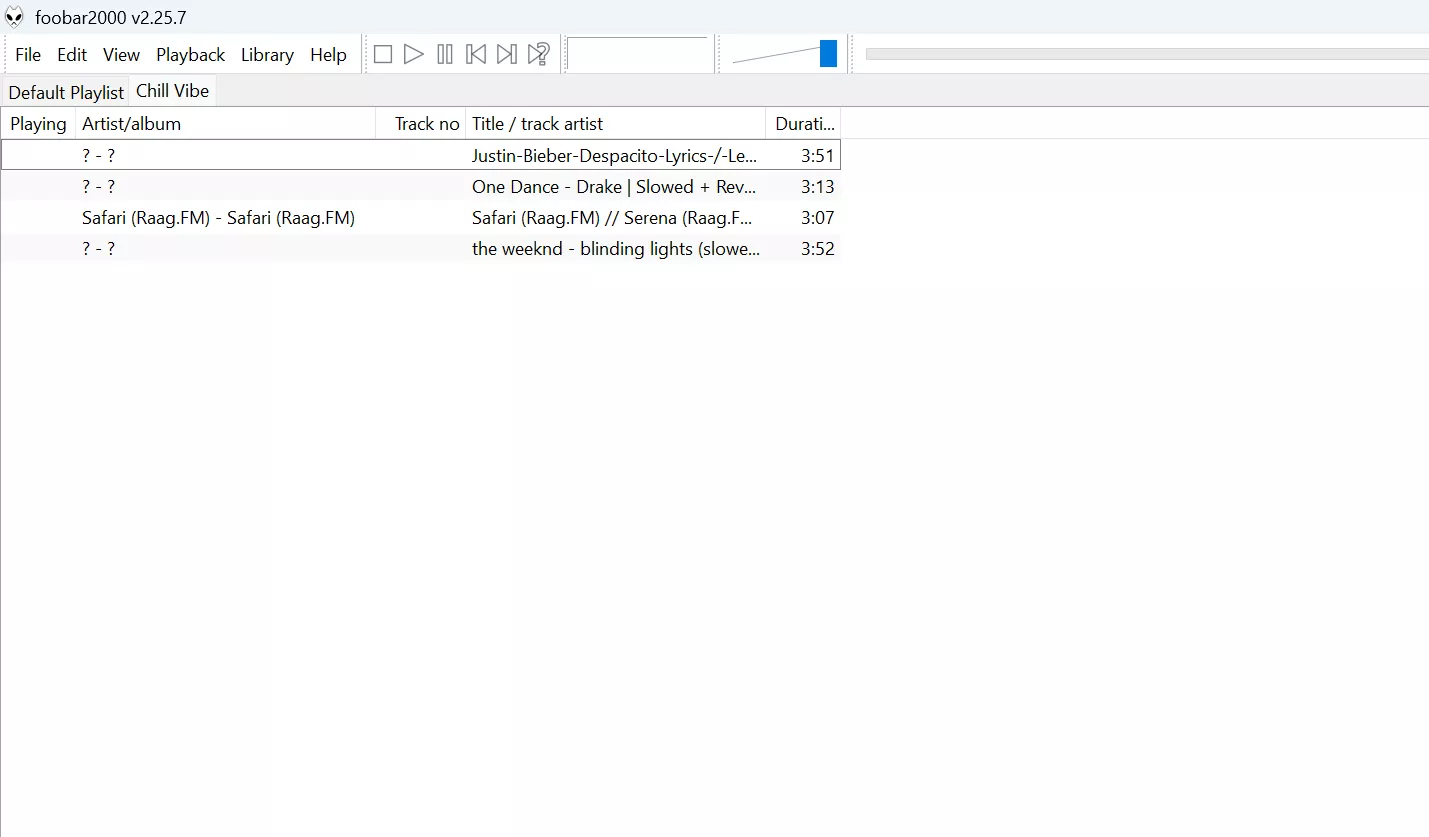
Foobar2000 is often chosen by users who want an app that creates playlists from MP3 files with maximum control.
Its Foobar2000 automatic playlist system is rule-driven and unforgiving—poor tags immediately affect results. That makes it powerful, but not beginner-friendly.
Strengths:
-
Extremely flexible rules
-
Lightweight and fast
-
Ideal for custom logic
Weaknesses:
-
Steep learning curve
-
No streaming features
Available On:
-
Windows
-
MacOS
-
Android
-
iOS
It’s best viewed as a smart playlist generator for offline music, not a discovery tool.
Plex (Local Libraries with Server-Based Automation)
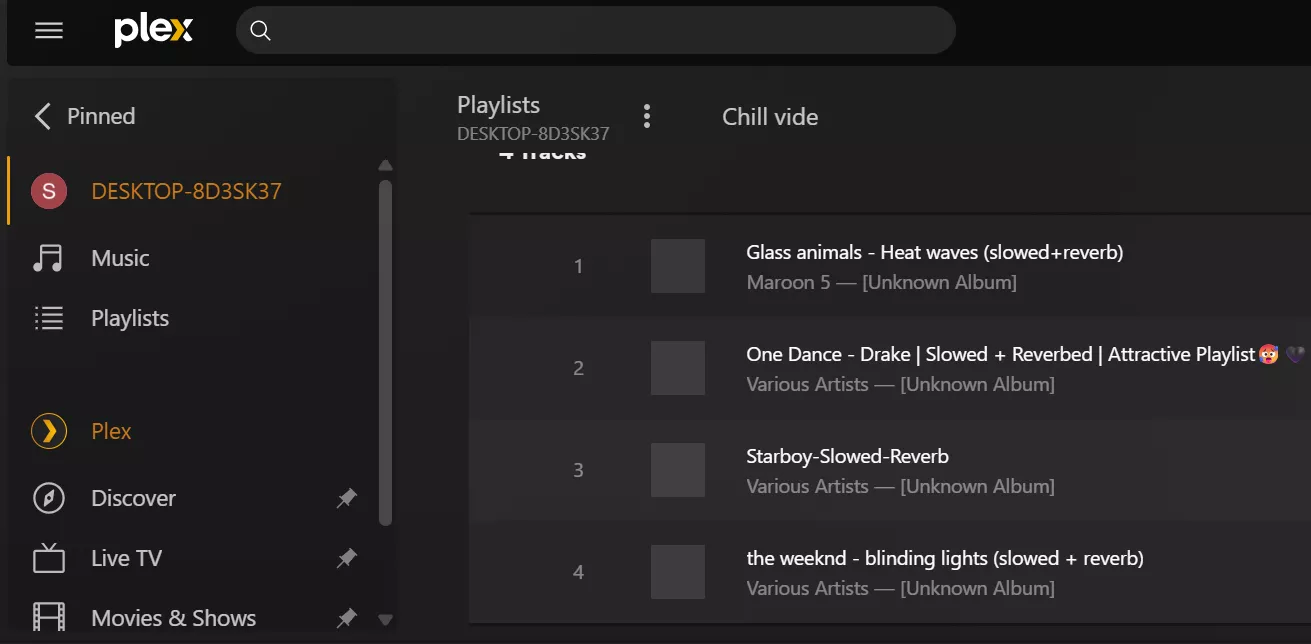
Plex is often overlooked as a playlist generator for local music, but it performs well when your library lives on a NAS or home server.
With Plex smart playlists local music, users can generate playlists based on listening behavior and tags across devices.
Where it shines:
-
Centralized library access
-
Multi-device playback
-
Suitable for NAS music smart playlists
Limitations:
-
Requires server setup
-
Some features gated behind Plex Pass
Available On:
-
Windows
-
MacOS
-
Linux
-
Many more
Plex works well for users building a local music library playlist generator around a home media server.
Setting up Plex can feel overwhelming at first, especially if you’re new to media servers. For step-by-step guidance, refer to Plex’s official documentation, which clearly explains the installation and setup process. If you prefer a visual walkthrough, the video below may make the process easier to follow.
Jellyfin (Open-Source and Self-Hosted)
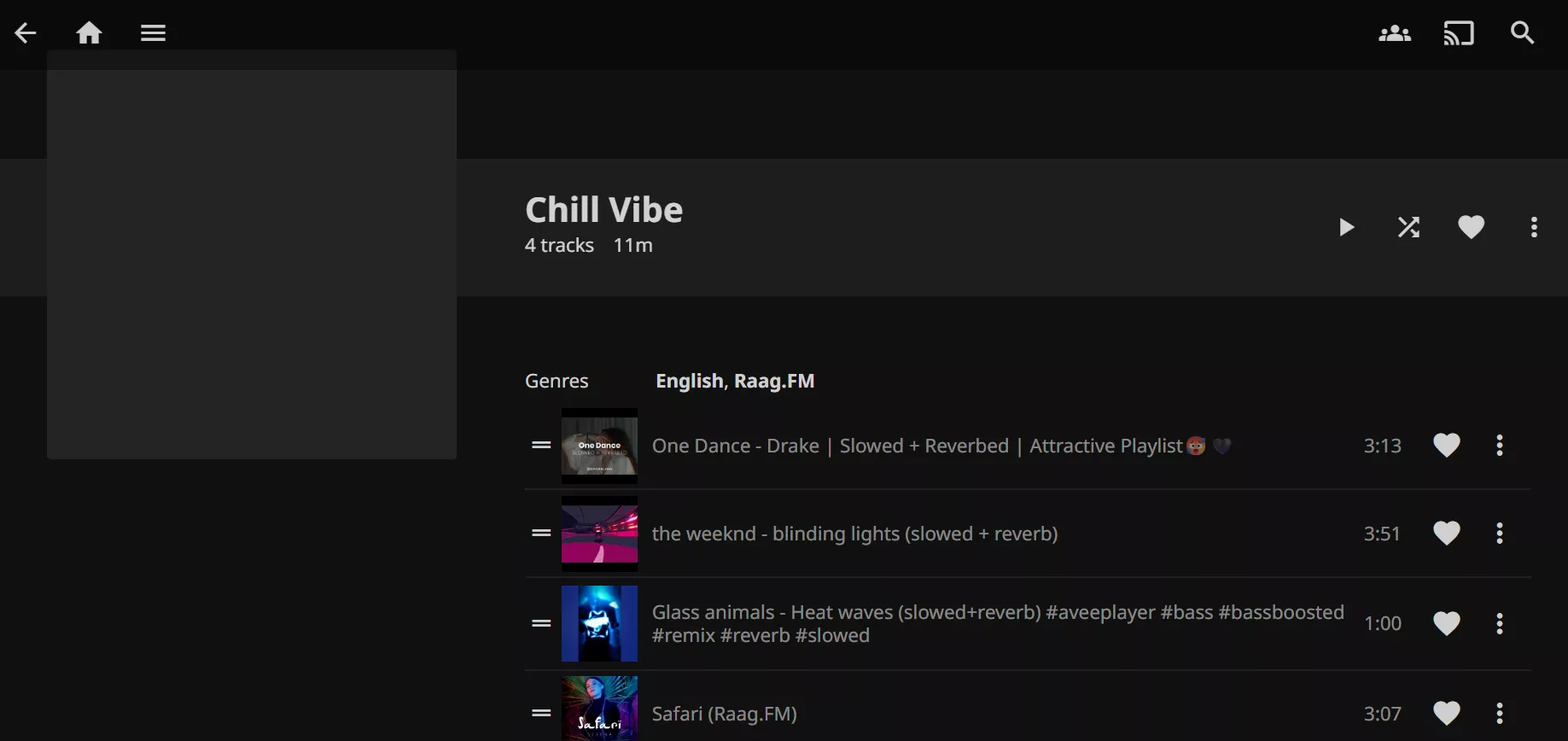
For privacy-focused users, Jellyfin offers strong offline music playlist generator capabilities without cloud dependency.
-
Jellyfin playlist automation works well for structured libraries
It is a tool that is best described as a self hosted music playlist generator solution.
Pros:
-
No data harvesting
-
Full control over files
-
Works well for local-only environments
Cons:
-
Less polished UI
-
Limited AI features
Available On:
-
Multiple Platforms
Ideal for users who want automatic playlists without streaming.
Setting up a Jellyfin server can take some initial effort, particularly if you’re new to self-hosted media platforms. The official Jellyfin documentation offers clear guidance on installation and configuration, and the video below provides a visual walkthrough if you prefer learning step by step.
Apps That Also Work with Spotify or Apple Music
Streaming support is useful—but it shouldn’t replace local automation.
Spotify
Spotify excels at discovery and behavior-driven playlists. Its Spotify AI playlist generator and related tools work well for streaming catalogs, but local file handling remains limited.
Spotify is best used alongside—not instead of—a playlist maker local files solution.
Apple Music
Apple Music’s strength lies in rule-based playlists rather than heavy AI. Features like iTunes smart playlist local files allow some integration with offline libraries, especially on Apple devices.
However, it still can’t fully replace a dedicated offline music playlist automation tool.
Hybrid Reality Check
In practice, most people don’t truly merge both worlds. Instead, they:
-
Automate playlists locally
-
Use streaming for discovery
-
Manually bridge favorites
These are among the best tools for playlist automation local + streaming, but each has clear boundaries.
How These Apps Decide What Goes into a Playlist
At their core, these apps rely on metadata based playlist creation.
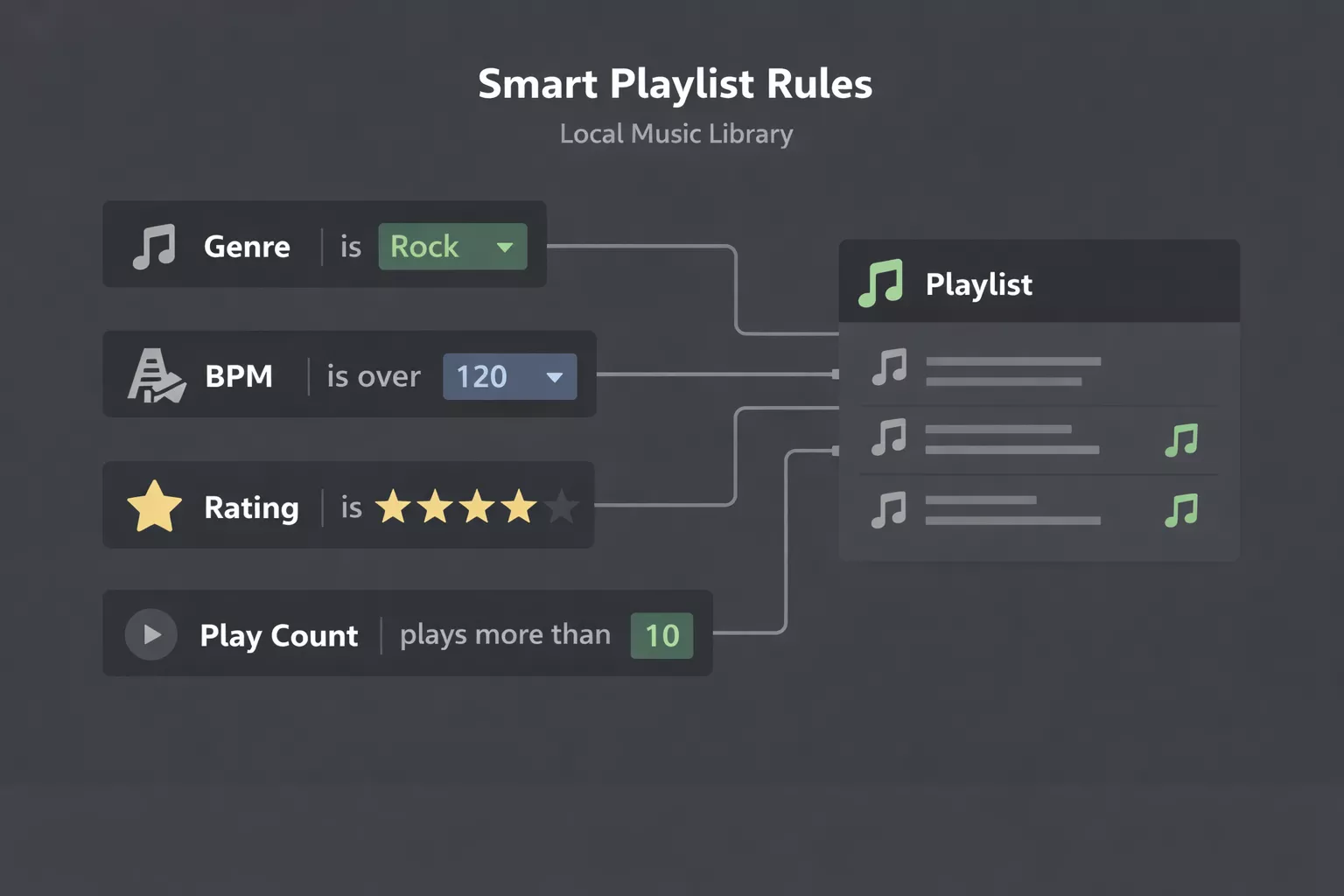
They analyze:
-
Genre and artist tags
-
Ratings and play counts
-
BPM and audio characteristics
This is why smart playlists for local music feel more accurate than AI guesses when metadata is clean.
Some tools also support:
-
M3U playlist auto creation
-
Limited AI playlist for downloaded songs
The quality of results always depends on the quality of your tags.
Where Automated Playlists Break Down
Automation isn’t flawless.
Common issues include:
-
Inconsistent genre tagging
-
Live recordings confusing BPM analysis
-
Niche genres misclassified
This highlights the difference between streaming playlist and local playlist automation — Similar to many real-world tool evaluations we’ve covered on TrendVerse. Streaming relies on massive datasets; local tools rely on your data.
Manual curation is still better when emotional flow matters.
Which App Fits Your Music Setup
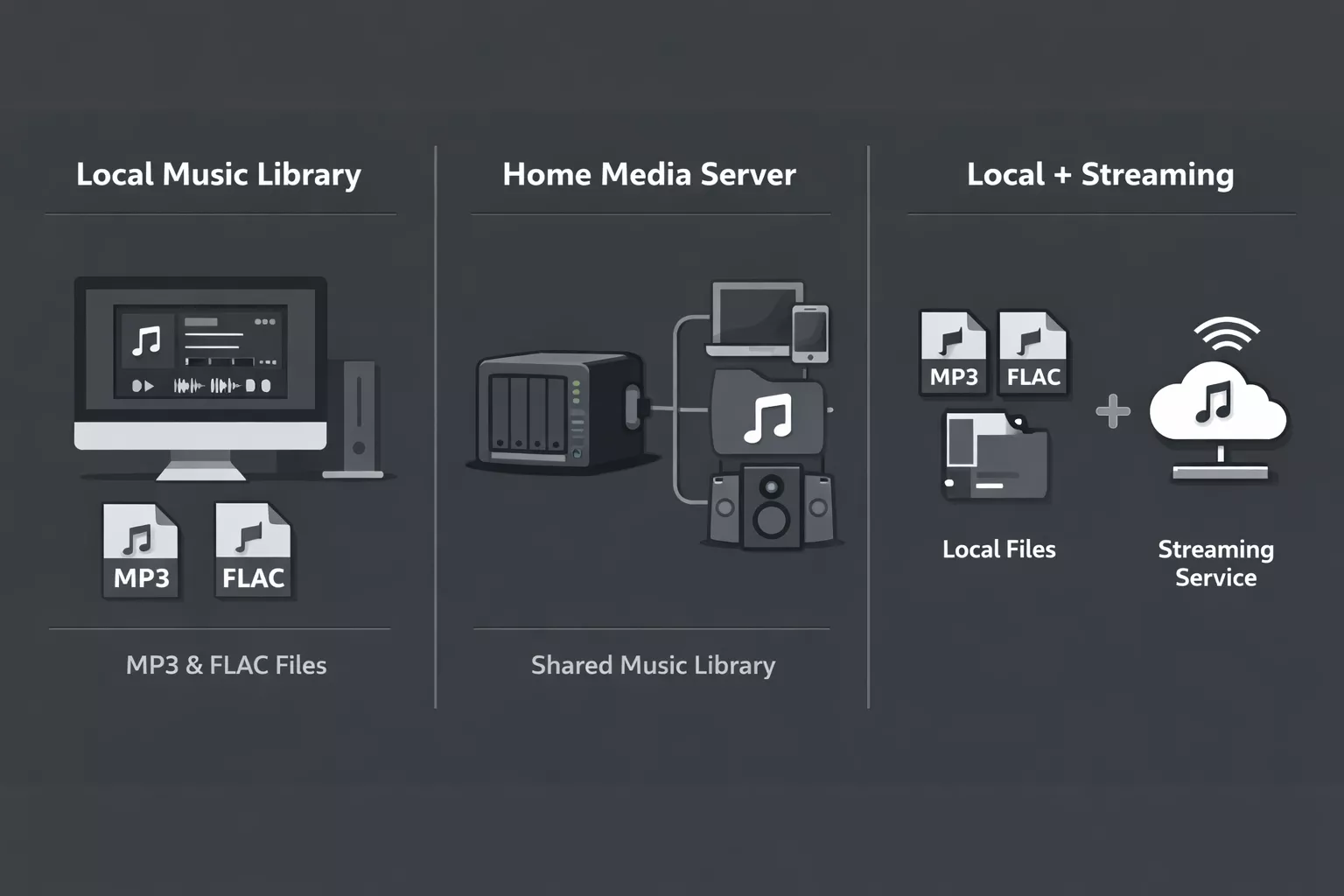
Instead of chasing features, choose based on usage.
-
Large offline library → MusicBee or Foobar2000
-
NAS or server-based setup → Plex, Jellyfin
-
Linux users → a Linux music player smart playlist approach
-
Hybrid listeners → tools that apps that support both local and streaming playlist creation
This section effectively helps users compare auto playlist tools local vs streaming without hype.
FAQ: Automated Playlist Creation for Local Music
Can playlists be created automatically from local music files?
Yes. Most modern players can create playlist from local audio files using rules and tags.
Is there an AI playlist generator for offline music?
Some tools offer limited AI, but most reliable systems remain rule-based.
Which apps support both local music and Spotify playlists?
Plex and Apple Music offer partial overlap, but full automation remains limited.
How do smart playlists actually work?
They update dynamically as your library changes, without manual editing.
Are automated playlists accurate for large music libraries?
Yes, if metadata is consistent. Large libraries benefit most—and expose errors fastest.
Final Thoughts
The best apps that automatically create playlists from local music don’t promise perfection. They promise control.
If you focus on clean metadata, realistic expectations, and the right tool for your setup, automation becomes a genuine time-saver—not a frustration. For more practical tech tutorials and unbiased software guidance, check out TrendVerse’s core mission.
That balance matters even more heading into 2026.


Comments (0)
Leave a Comment